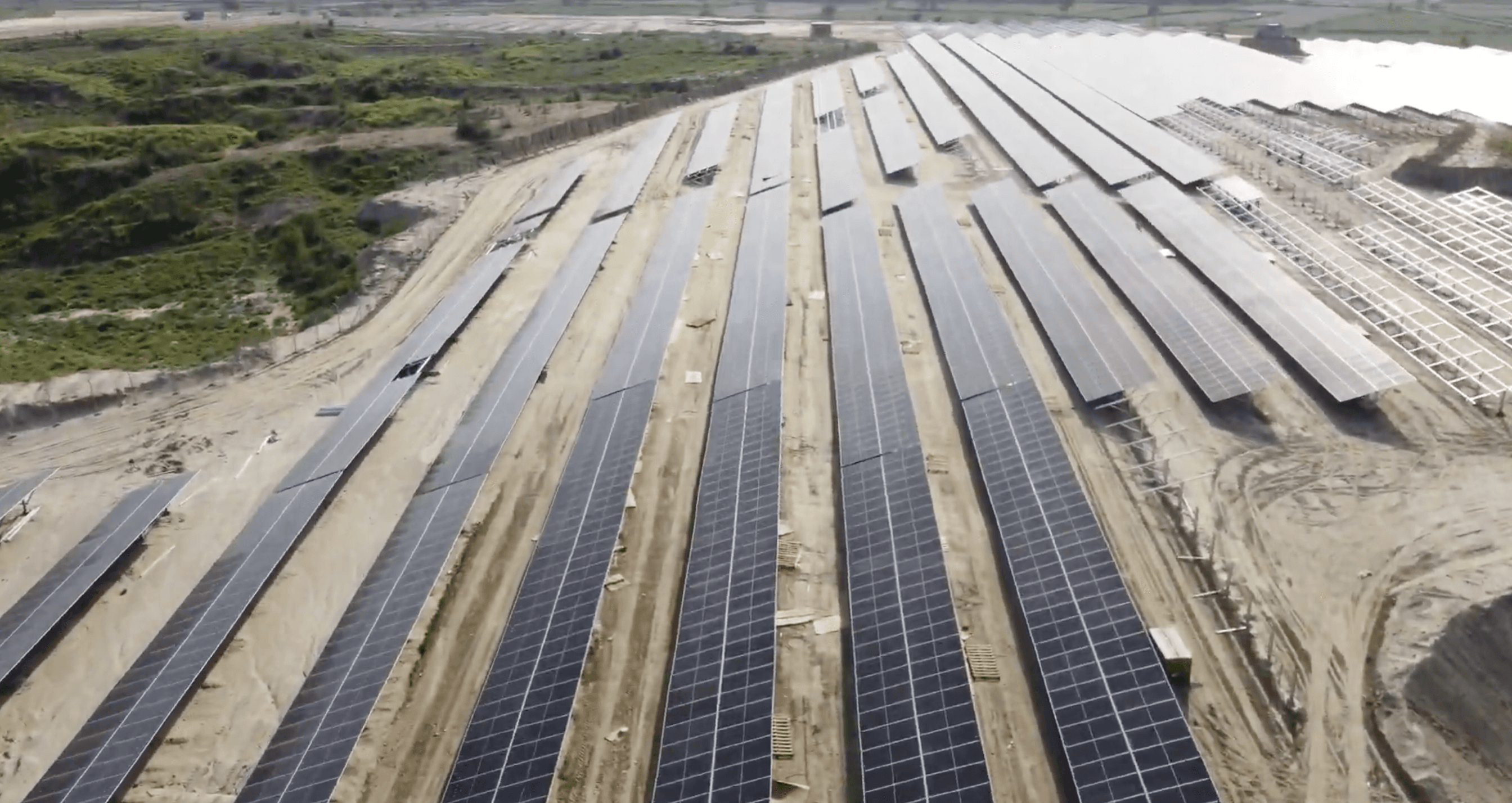
Open access energy, measured in real savings.
Two consumers in Uttar Pradesh, two different load profiles, one outcome: a lower, stable power cost without compromising reliability. Pick a case study below to see exactly how the numbers work.
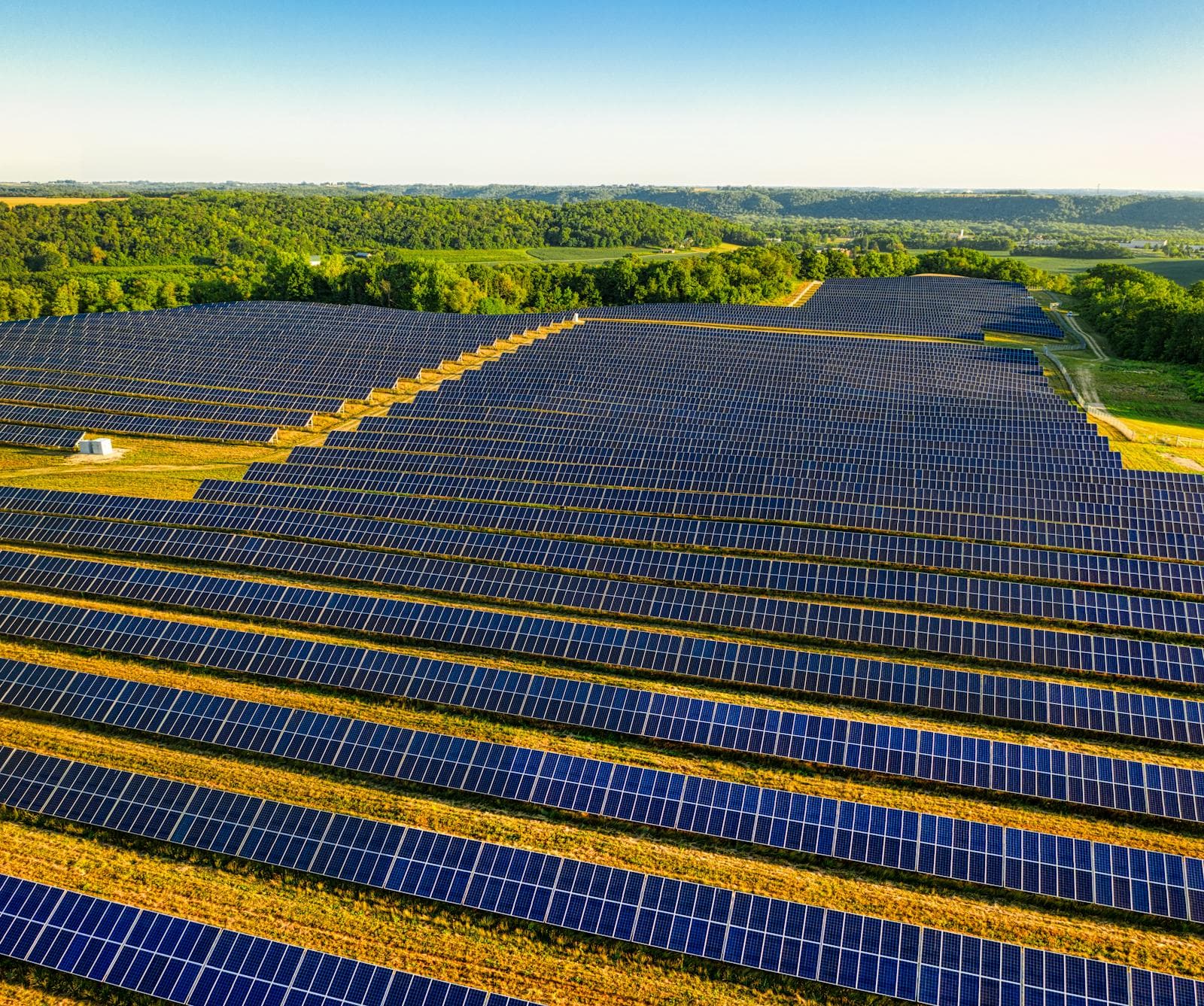
A textile manufacturer cut its per unit energy cost by 21%.
A Uttar Pradesh based textile industry with a contracted demand of 8.37 MW locked in a lower, stable tariff for ten years through an open access energy PPA structured by Prakash Renewable Power.
At a glance
The background
The facility was sourcing power entirely from the state DISCOM, paying an energy charge of Rs. 6.80 per unit plus an electricity duty of Rs. 0.51, an effective rate of Rs. 7.31 per kWh. Rising DISCOM tariffs and the growing availability of competitively priced renewable energy prompted a move to open access. The objective was simple: lock in a lower, stable tariff for a meaningful period without compromising reliability.
The solution
PRP structured a 10 year fixed tariff PPA under the open access framework, drawing power from a 15 MW solar project connected at 220/132/33 kV UPPTCL. The buyer purchases solar at a fixed contracted tariff delivered to its facility at 33 kV, while PRP manages all scheduling, transmission and regulatory coordination, including SLDC registration and monthly operating charges.
Energy volumes
The contracted quantum is approximately 1,50,000 units per MW per month, giving a monthly supply of about 12,55,500 kWh.
Transmission and loss adjustments
As with all open access transactions in UP, contracted volumes are adjusted for transmission and distribution losses before net units are credited to the buyer.
Full cost breakdown and savings.
PRP's contracted tariff of Rs. 5.30 and effective all in cost of Rs. 5.79 both sit well below the DISCOM rate of Rs. 7.31.
The contracted solar tariff is Rs. 5.30; CSS and SLDC charges bring the all in cost to Rs. 5.79, still Rs. 1.52 below the DISCOM rate.
(before PRP)
62.5 L
(via PRP)
The monthly bill drops from about Rs. 91.8 lakhs under DISCOM to about Rs. 68.3 lakhs via PRP, a reduction of over Rs. 23 lakhs every month.
At current DISCOM rates, cumulative savings cross Rs. 10 Cr by year 5 and exceed Rs. 21.5 Cr by year 10. Actual saving is likely higher as DISCOM tariffs continue to rise.
Note on buyer side charges
State transmission charges (Rs. 0.2674/kWh) and wheeling charges (Rs. 0.9985/kWh) appear in the charge schedule but reflect zero impact in this billing model, which suggests they are bundled within the contracted tariff or handled through a separate regulatory mechanism. The buyer should confirm the treatment with PRP at billing commencement. The Cross Subsidy Surcharge of Rs. 5,77,763 per month is payable by the buyer and is already factored into the effective cost of Rs. 5.79/kWh. It is a statutory charge for open access consumers in UP and is not avoidable.
Cost certainty
A fixed Rs. 5.30/kWh tariff for ten years, insulating the business from DISCOM tariff increases.
Meaningful savings
Rs. 1.52 per unit against the current DISCOM rate, a ~21% reduction in energy cost.
Sustainability
100% solar power, supporting ESG and green energy commitments.
A healthcare facility's clean energy transition.
A multi specialty healthcare facility in Uttar Pradesh runs round the clock critical care, diagnostics and outpatient services, making affordable, uninterrupted power non negotiable. In 2024 it partnered with PRP to procure 4.8 MWp of open access energy under a third party offsite BOO model.

Annual environmental impact
A commitment to green operations
The facility has committed to sourcing 60% of its total energy from renewable sources by 2027. This 4.8 MWp open access PPA covers about 40% of the campus's annual consumption, and the client is evaluating rooftop installations across its wider portfolio. The partnership aligns with a broader ESG roadmap targeting carbon neutrality across all owned assets by 2035.
Overcoming the challenges
Grid connectivity delays
UPSLDC synchronisation and STU level connectivity took longer than anticipated due to a backlog of pending applications. The PRP team engaged directly with UPPTCL officials and expedited the load flow study, reducing the timeline by six weeks.
Open access scheduling complexity
The facility's 24x7 load profile required precise ABT metering and scheduling coordination with SLDC. PRP deployed a dedicated scheduling desk to manage daily energy injection and deviation settlement, so the client faced zero grid imbalance penalties.
Approval before commissioning
State authorities required full mechanical completion before issuing the connectivity certificate. PRP mobilised two additional EPC contractors in parallel, completing civil, electrical and metering works simultaneously to meet the commissioning deadline.
Why Uttar Pradesh for open access energy
- UP Electricity Regulatory Commission (UPERC) has a dedicated Green Energy Open Access policy, providing multi year tariff certainty for C&I consumers.
- Waiver of additional surcharge for captive and third party open access consumers procuring from renewable sources above 1 MW.
- UPNEDA and UPPCL have streamlined the single window application process, reducing median approval time to under 45 days for projects below 10 MW.
- UP ranks among the top five states in India for C&I open access energy adoption, with over 1,200 MWp of cumulative capacity as of FY 2024.
Could your site be next?
If your sanctioned load is over 1,000 kVA, there is likely an open access energy structure that works for you. We will tell you whether it does and what it would take to make it happen.