What Open Access Energy Actually Means for Your Bill
Grid tariffs for industrial consumers in UP now run ₹7 to ₹12 a unit, with no relief in sight. Here is what open access energy really is, and how it shows up on your bill.
If you run a commercial or industrial business in Uttar Pradesh, your electricity bill has been going in one direction for the past several years. Grid tariffs for industrial consumers across India now range between ₹7 and ₹12 per unit depending on the state and DISCOM zone. And there is no credible forecast that suggests they are coming down.
Open access energy offers a different arrangement. But the term gets used loosely, and most businesses we speak to have a vague sense of what it means rather than a clear one. This post is an attempt to fix that.
What open access energy actually is
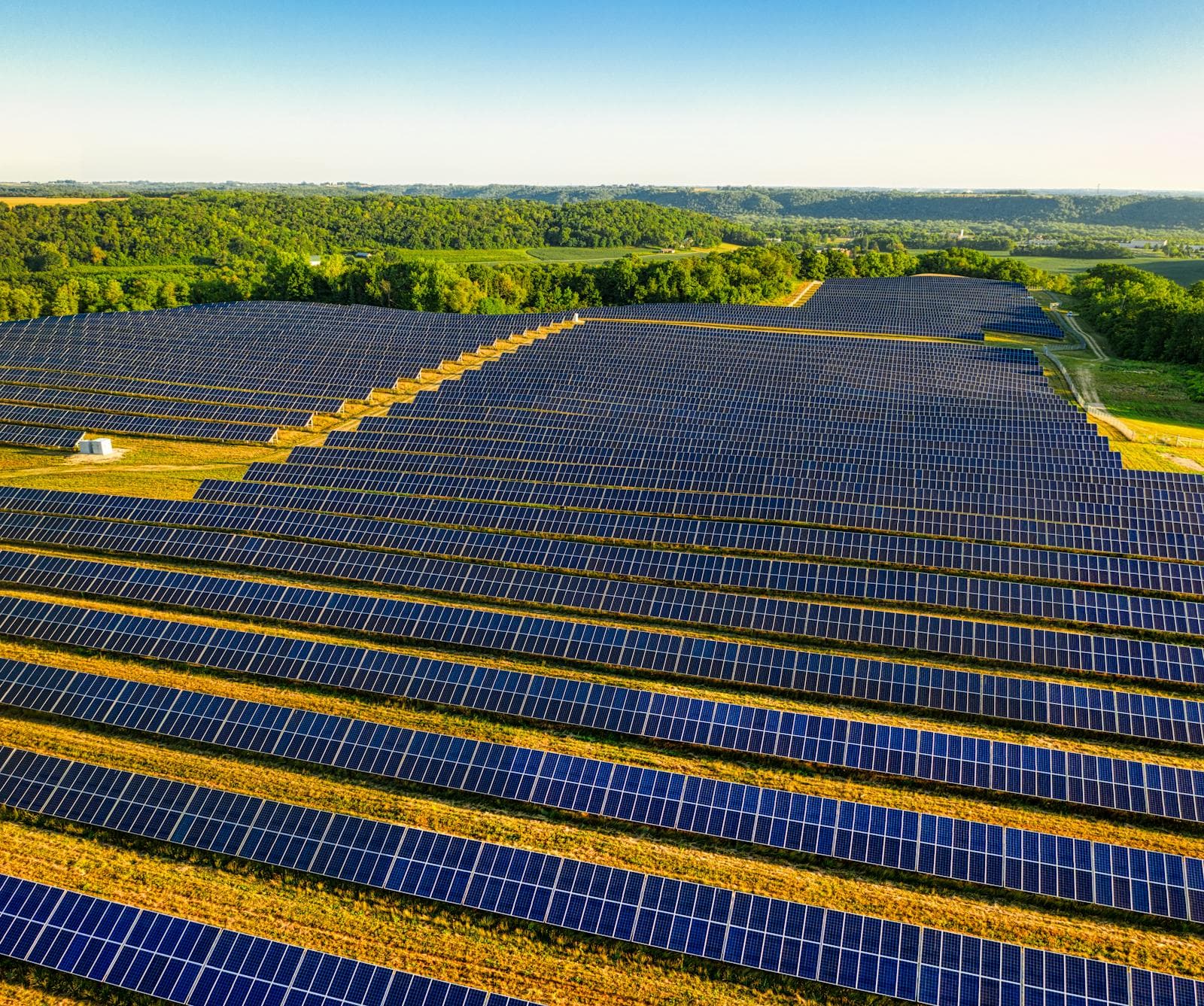
Open access energy is a legal mechanism under the Electricity Act, 2003. It allows large electricity consumers, typically those with a sanctioned load of 1,000 kVA or above, to source power from a solar plant of their choice rather than buying exclusively from their DISCOM at whatever rate the regulator has set.
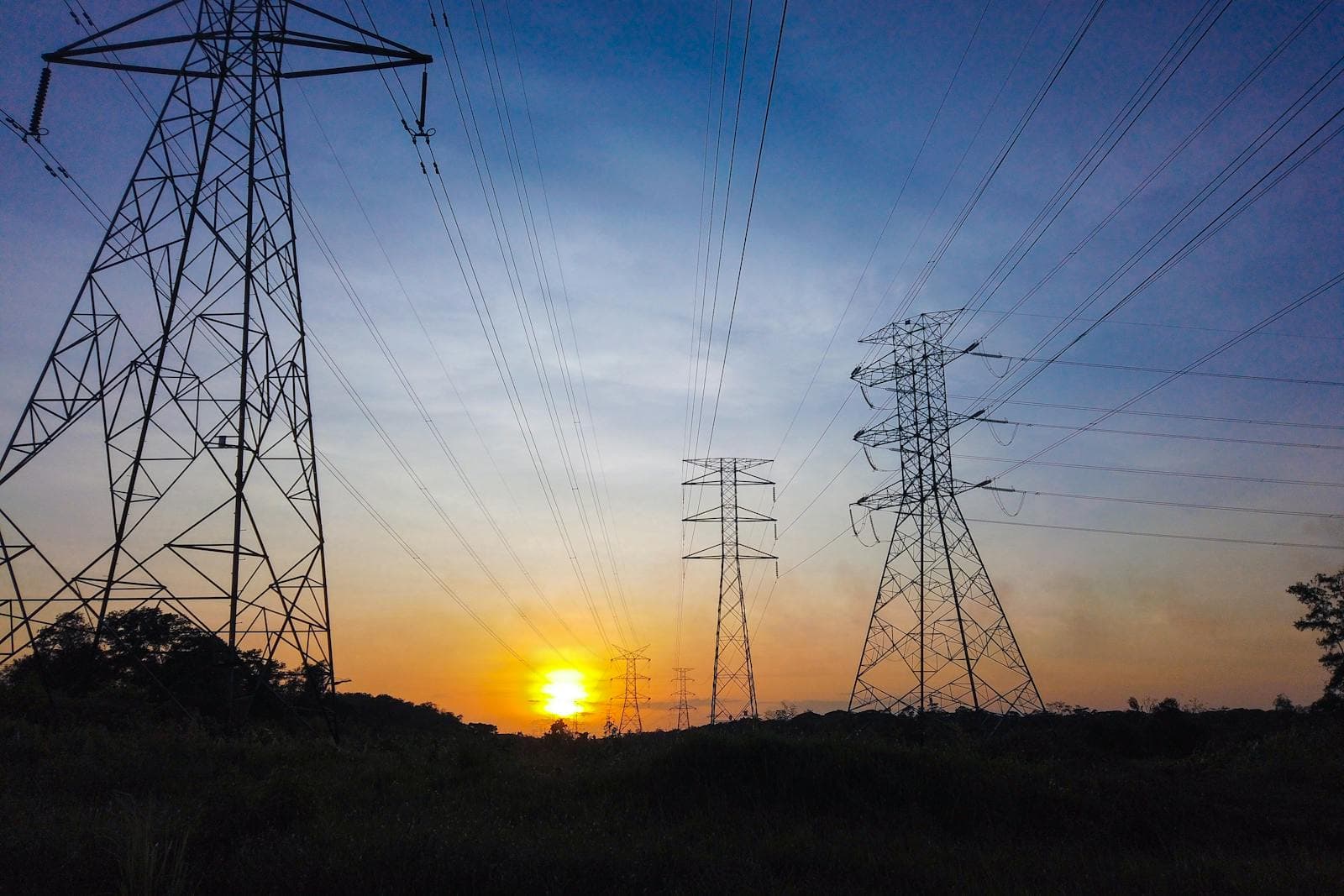
The solar plant does not need to be on your premises. It can be built elsewhere, and the power is wheeled to your facility through the existing state grid infrastructure. You pay a wheeling charge and a few other applicable levies, but even after those, the landed cost of open access energy is typically 30 to 40 percent lower than what you are currently paying the grid.
To put that in concrete terms: a business paying ₹9.5 per unit to the grid and receiving open access power at an all-in landed cost of ₹6.2 per unit saves ₹3.3 on every unit it consumes from that source. On a 1,000 kVA load running at 70 percent utilisation, that is a saving that runs into crores over a 15-year power purchase agreement.
Why businesses in UP are moving on this now
India's open access energy installations surged 160 percent year on year to 2.7 GW in Q1 2026 alone. This is not a niche procurement mechanism anymore. It has become the mainstream route for commercial and industrial businesses that want cost certainty on energy.
India crossed 7.8 GW of new open access energy capacity in 2025, surpassing 30 GW cumulative, with over 45 GW now in the development pipeline. The businesses driving that pipeline are not large multinationals with sustainability teams. They are manufacturers, cold storage operators, hotels and commercial property owners who have done the arithmetic on their electricity bill and decided the status quo is not acceptable.
The regulatory environment in Uttar Pradesh has matured considerably. UPSLDC processes are better defined than they were three years ago, and developers with genuine experience in the state are now able to move projects through approvals in a fraction of the time it used to take.
How the numbers show up on your bill
Open access energy does not replace your entire grid connection. It offsets a portion of your consumption, typically between 30 and 70 percent depending on your load profile, the size of the plant and the terms of your PPA.
What changes on your bill is the blended per-unit cost. You continue to draw from the grid for whatever your solar PPA does not cover, but the units offset by open access come in at a tariff you locked in on the day you signed. That tariff does not move for the life of the agreement, regardless of what happens to grid rates.
For a business with a ₹30 lakh monthly electricity bill, a 40 percent offset at a saving of ₹3 per unit does not produce a marginal improvement. It produces a saving of approximately ₹10 to ₹12 lakh per month, depending on the specifics. Over 15 years, that compounds into a number that belongs in a board presentation, not a footnote.
The two models worth knowing: BOO and BOOT
Most open access energy in the C&I segment is structured under one of two models.
Under a Build-Own-Operate arrangement, the developer finances, builds and operates the plant entirely. The business signs a long-term PPA at a fixed tariff and receives cheaper power from commissioning day. There is no capital outlay, no asset to manage and no operational responsibility. The developer owns the plant for the life of the agreement.
Under a Build-Own-Operate-Transfer arrangement, the structure is similar except that ownership of the plant transfers to the business on a timeline agreed before construction begins. This suits businesses that want to own their energy infrastructure eventually, whether for tax efficiency under accelerated depreciation provisions, long-term energy independence or balance sheet reasons. By the time the plant transfers, it has a clean operational track record and the business takes it over without starting from scratch.
Both models are viable in Uttar Pradesh. The right choice depends on your capital position, your tax situation and your long-term plans for the facility.
What the approvals process actually involves
This is the part that most explainers skip, and the part that catches most businesses off guard.
Getting an open access energy project live in UP involves obtaining approval from UPSLDC, coordinating with your DISCOM on grid connectivity and navigating the State Load Dispatch Centre process. Each step has a specific sequence, and delays at any one of them push the entire timeline.
Open access energy allows C&I consumers to procure electricity directly from independent power producers, bypassing traditional distribution companies on procurement. But bypassing the DISCOM on procurement does not mean bypassing the regulatory process. The approvals are real, the timelines are specific and the consequences of an inexperienced developer getting it wrong are months of delay before a single unit is generated.
This is why the developer you choose matters as much as the tariff they quote. A developer who knows the UPSLDC framework, has existing DISCOM relationships and has commissioned projects in this state before will move your project through approvals in a fraction of the time one who is learning the process on your project will.
What to check before you sign anything
Before entering a PPA for open access energy in UP, there are a few things worth understanding clearly.
Your sanctioned load determines eligibility. The minimum threshold for open access in Uttar Pradesh is 1,000 kVA. If your sanctioned load is below that, the model does not apply in its current form.
The applicable charges vary by DISCOM zone. Wheeling charges, cross-subsidy surcharge and additional surcharge all affect the landed cost of open access power and vary across UPPCL, PVVNL, MVVNL, DVVNL and PuVVNL zones. A savings estimate that does not account for your specific zone is not a reliable one.
The PPA tariff is fixed, but the agreement tenure matters. A 15-year PPA at ₹6.2 per unit is a very different proposition from a 10-year PPA at the same rate. Model both against your anticipated grid tariff trajectory before deciding.
The developer's track record in the state is not a nice-to-have. It is one of the most important variables in whether your project commissions on time.
The bottom line
Open access energy in Uttar Pradesh is not a complex financial instrument. It is a long-term power purchase agreement that fixes your per-unit cost well below the grid rate, for a portion of your consumption, for the next 15 years.
Despite applicable charges, the landed cost of open access energy is typically 20 to 40 percent lower than prevailing industrial grid tariffs, offering significant and predictable savings over a 10 to 20 year horizon.
For a commercial or industrial business with a sanctioned load above 1,000 kVA and an electricity bill that has been rising steadily, the question is not really whether open access energy makes financial sense. The question is whether you are working with a developer who can actually deliver it.
Prakash Renewable Power develops open access energy for commercial and industrial businesses across Uttar Pradesh and the NCR. We are part of the Prakash Group, a North India power and manufacturing institution since 1975. If you want to understand what open access energy could mean for your specific facility, get in touch.
Wondering what open access could save you?
Get a Free Estimate